

Dog in the Machine - Break the Machine, Bring the Dog Home
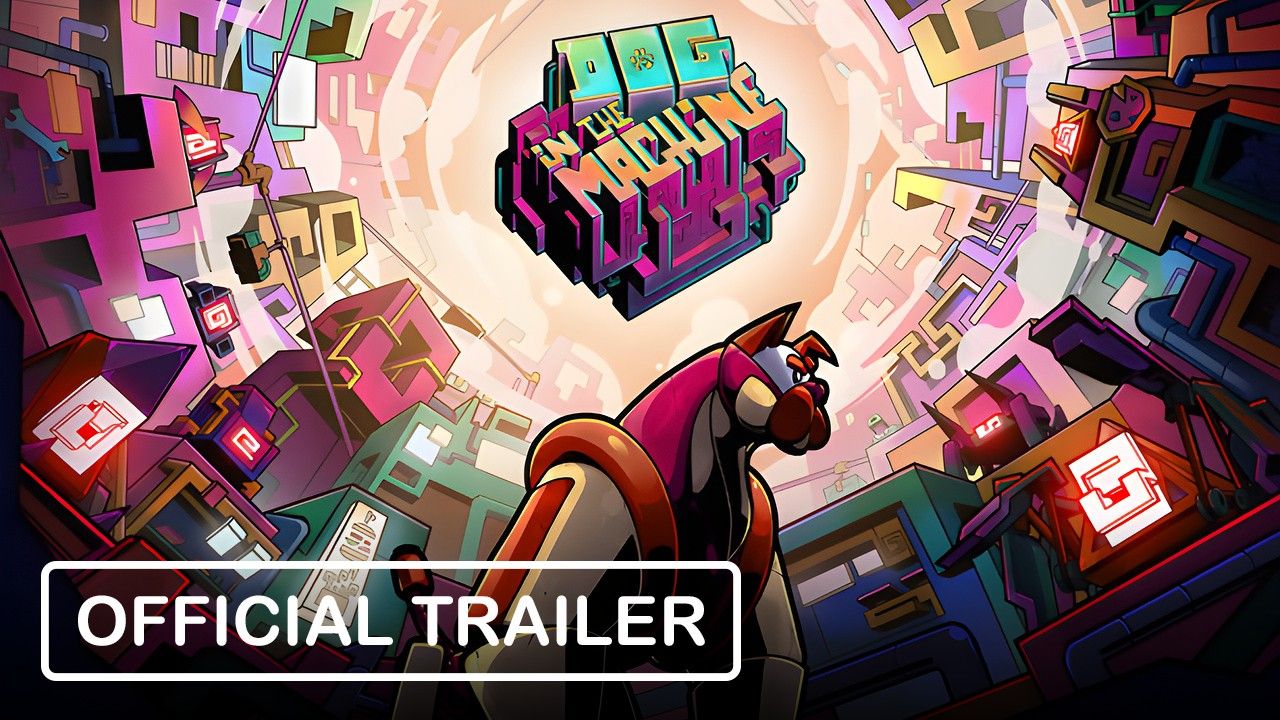
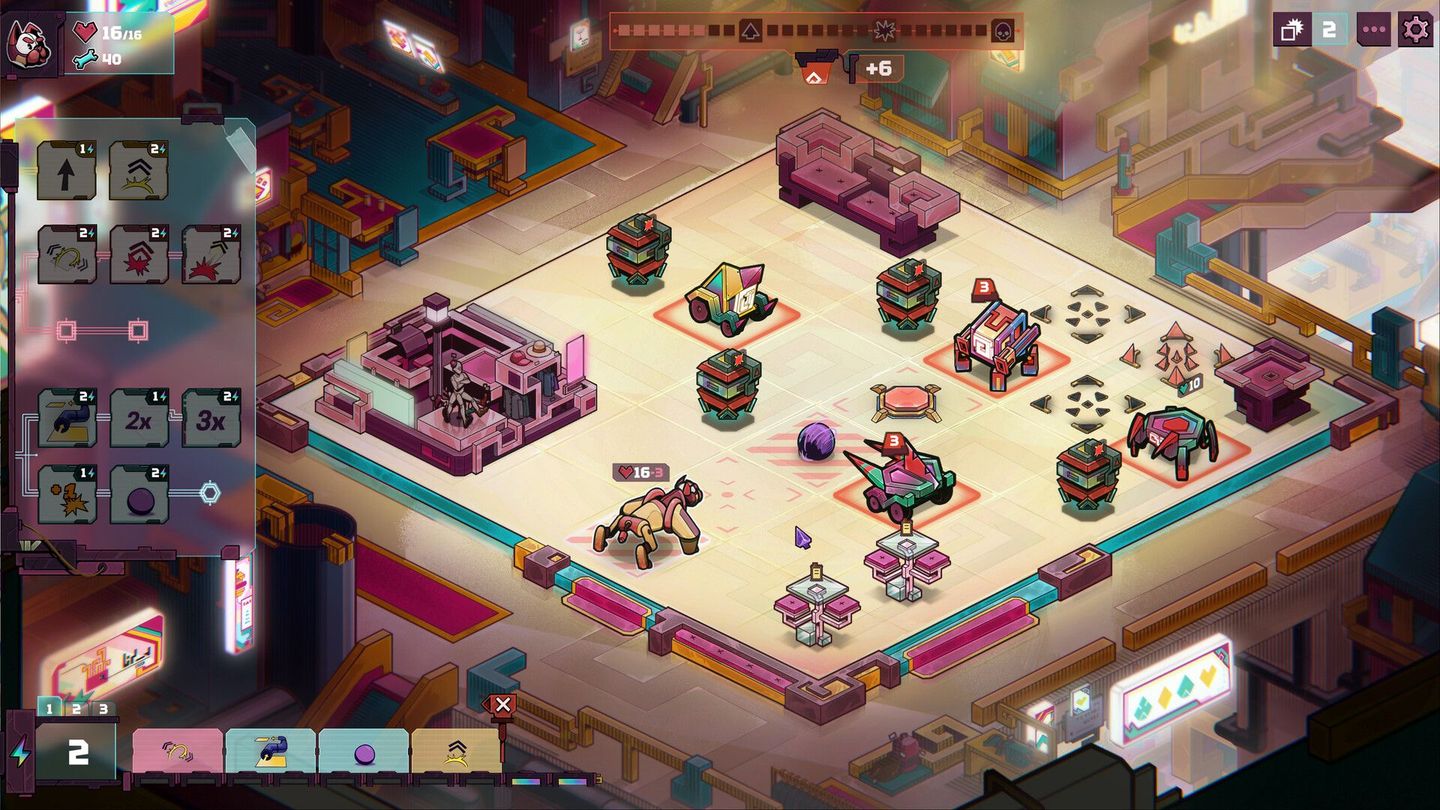
Dog in the Machine pitches a strikingly simple promise: you are an AutoDog trying to escape a dystopian mecha-city and return to exiled humans. The twist is how that escape plays out. Each encounter is a compact, reactive puzzle-battle where environmental hazards, conveyor belts, buttons, and explosive obstacles are more than background - they are tools for spectacular chain reactions.
The game leans into those satisfying moments when a single clever instruction sequence cascades through the map and vaporizes half the enemies. Victory feels earned, deliberate, and cinematic.
Tactical Roguelite Built Around Chain Reactions
Battles take place on small grids packed with interactive elements and guardians. Every map is procedurally generated to highlight potential domino effects. Instead of repeated, rote combat, Dog in the Machine designers have focused on emergent solutions: push a crate onto a conveyor to slam it into an explosive barrel, hit a button that reroutes a machine and triggers a line of enemies to collide, or use enemies themselves as the triggers in a neat chain.
Because the spaces are built to reward creativity, no two fights have to feel the same. The objective becomes less about wearing down health bars and more about reading the room, spotting that single lever or belt that can set off a glorious chain reaction, and then engineering it with your AutoDog's Tricks.
Preview System Keeps Strategy Calm and Creative
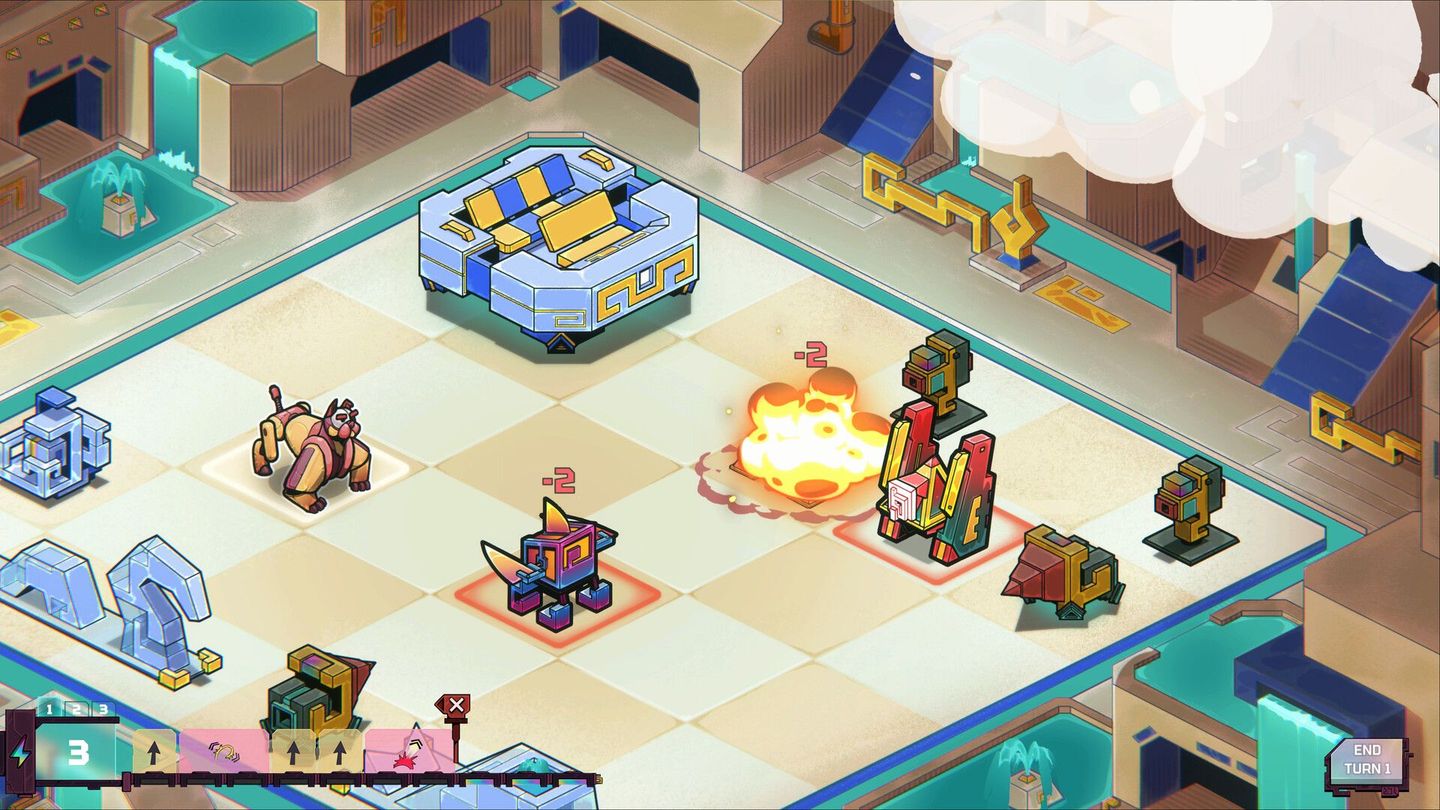
One of the clearest design decisions here is to remove needless friction. Rather than guessing what a sequence will do and suffering from trial and error, Dog in the Machine offers a real-time preview system that shows how your instruction sequence will play out before you commit.
That preview turns experimentation into play. Try an idea, cancel it, tweak it, and try again without penalty. The result is tactical gameplay that rewards planning and creativity, not reflexes or memorization. When you lose, it is because your strategy fell short, not because the interface fought you.
Train Tricks, Then Combine Them
Progression happens via Tricks. After each battle your AutoDog learns a new Trick, and crucially you can combine Tricks to craft more complex routines. You can follow provided blueprints or invent your own pairings to discover unexpected synergies.
This dual-layered deckbuilding encourages a signature playstyle across a run. Maybe you favour Tricks that push and redirect, letting you choreograph moving hazards into enemy lines. Maybe you assemble explosive setups and movement quirks to maximize area destruction. By the end of a run you will have built a toolbox of custom Tricks that feel uniquely yours.
Reactive Battlefields and the Eureka Moment
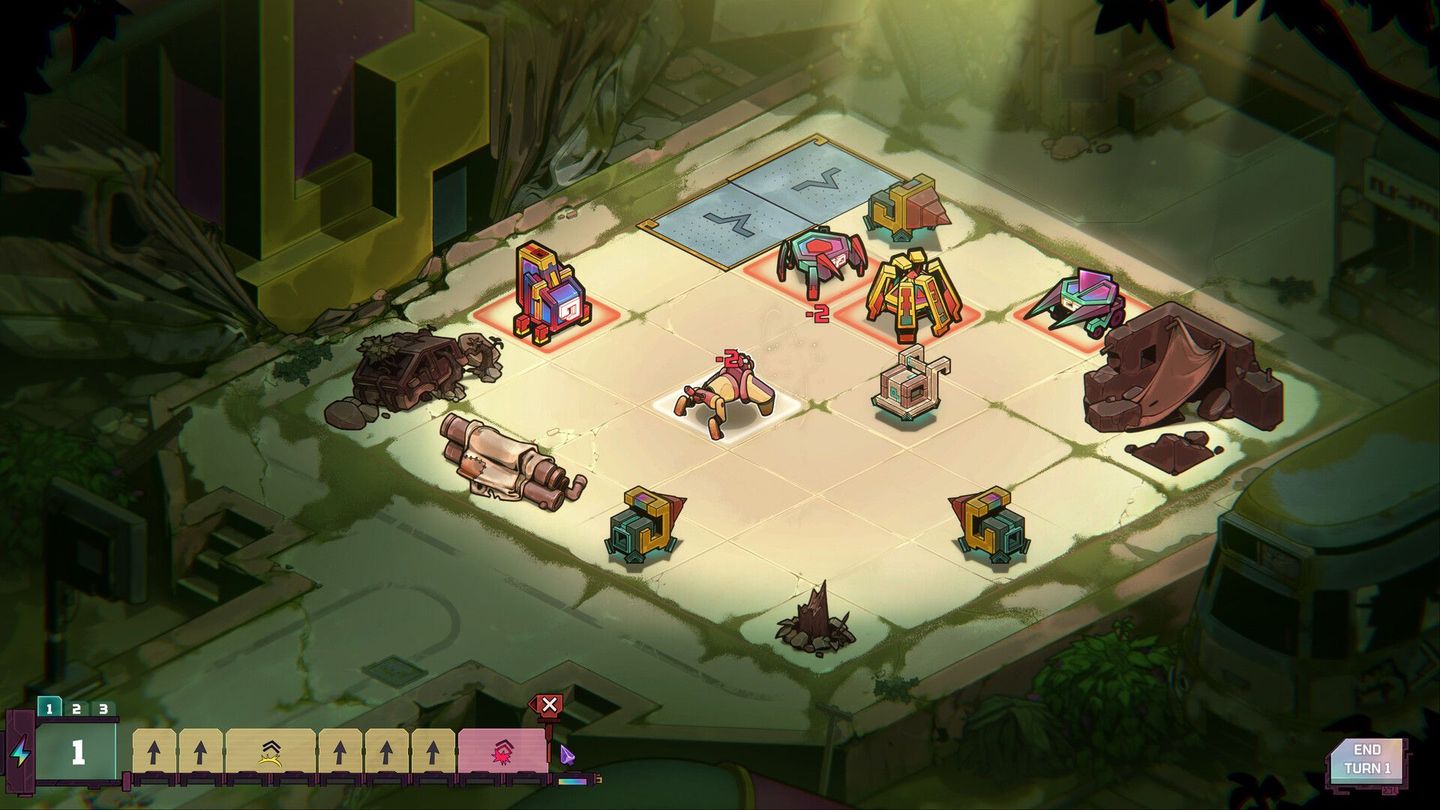
The procedural layouts are described as eureka-rich for a reason. Every encounter is a micro puzzle full of levers, conveyors, reactive enemies, and explosive obstacles. The collision system and interactive elements create a playground where satisfying solutions are always within reach.
Dog in the Machine seems designed to create those on-the-spot, delightful revelations where you watch a row of events unfold exactly as planned. It is the kind of design that turns failures into learning and successes into small triumphs.
Freedom, Synthesis, and Play That Feels Smart
Dog in the Machine combines the mental satisfaction of puzzle design with the progression hooks of a roguelite. The preview system keeps things accessible without draining tactical depth, and the Trick-combination mechanics invite experimentation and personalization.
If you enjoy games that reward pattern recognition, creative planning, and the joy of engineered chaos, this AutoDog's escape might be worth following. Train the right tricks, set the right triggers, and watch a mecha-city unravel.