

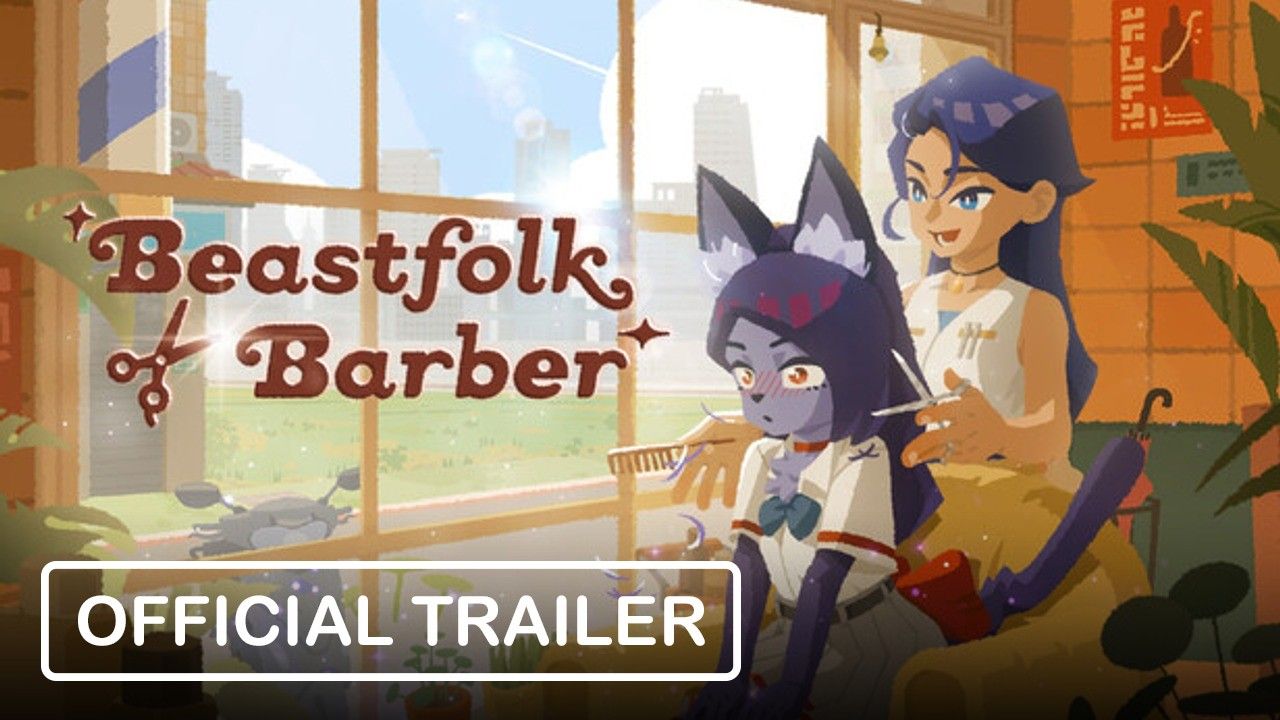
Beastfolk Barber: Where Every Haircut Is a Conversation
You play as Freddie, a barber running a small shop tucked into a city full of beastfolk. The gameplay is simple in description and rich in implication: bring customers to the chair, style their look, and have honest conversations while scissors and clippers do the talking. Each visit is equal parts practical service and quiet therapy session, and the game tracks how your choices ripple through a community of very different bodies and stories.
The hook that lifts the premise into something more uncanny arrives in Freddie's mirror. One day a demon appears, offering to undo a past regret if you give her the perfect haircut. That raises the stakes. To take that deal you must keep your shop afloat, gather the resources you need, and figure out what it even means to cut a demon's hair. Along the way, the people you serve force you to confront what you have been avoiding.
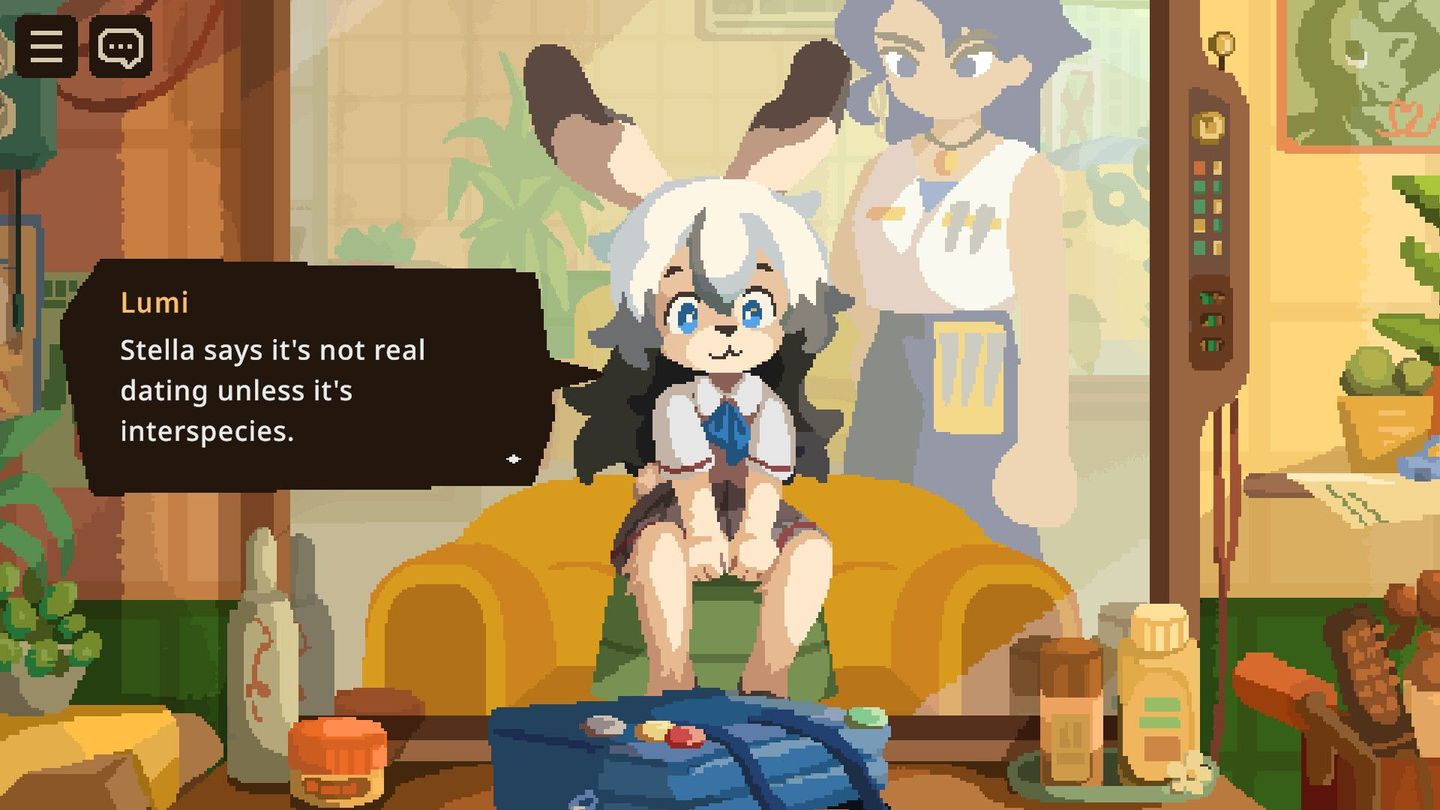
The Mysterious Mirror
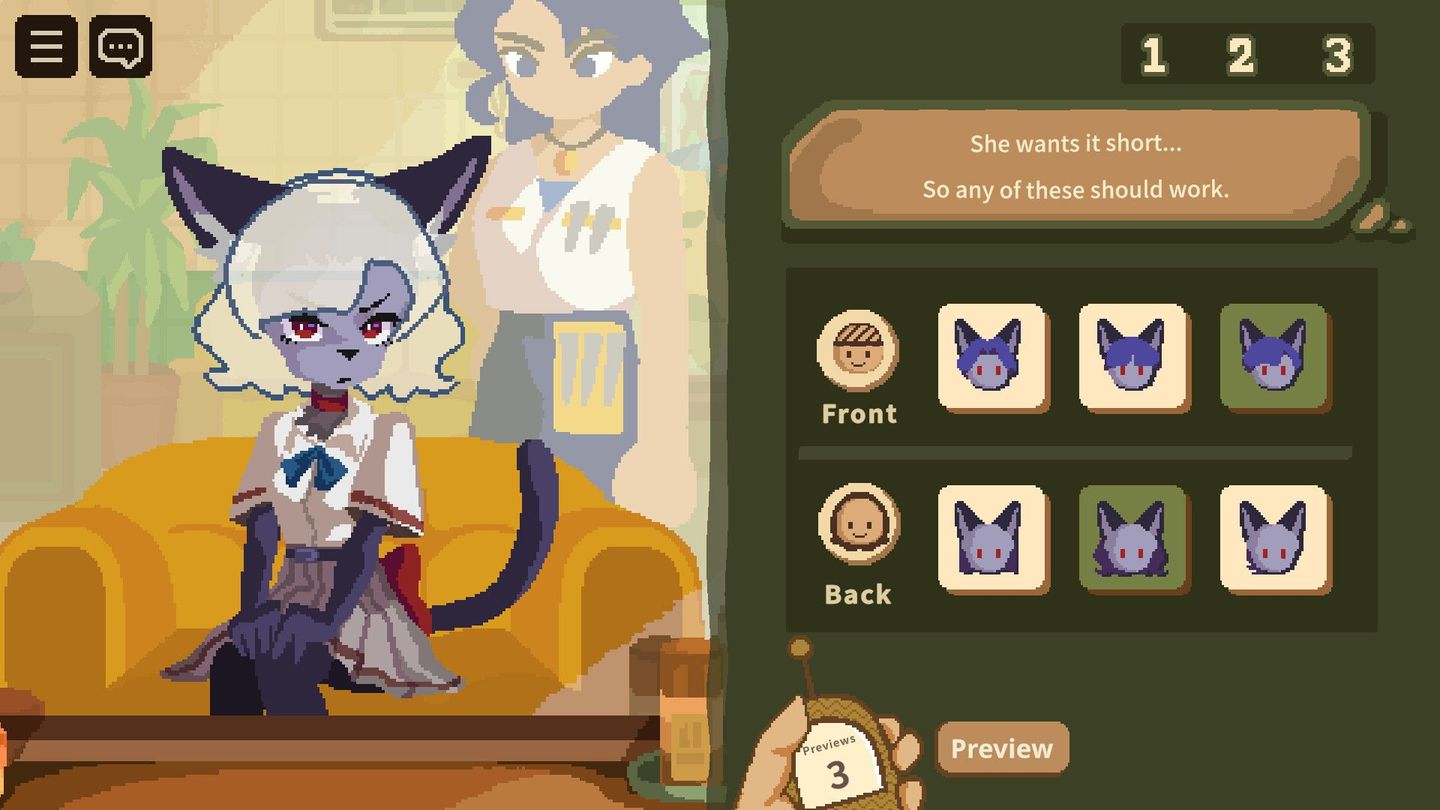
The shop's mirror was created by Freddie's late friend and it does more than reflect. It can show customers a preview of a new hairstyle before the first cut. Those previews are limited, though, so you cannot rely on a crystal clear script for every appointment. Instead, you watch reactions, read expressions, and make choices that matter.
That limitation is key to the game design. The mirror teases possible outcomes without solving them. It becomes a tool for experimentation and empathy rather than a guaranteed shortcut. And the demon's connection to the mirror introduces moral tension: a tidy promise to undo regret in exchange for a near-impossible task. How far will you go to change the past, and at what cost to the lives you touch every day?
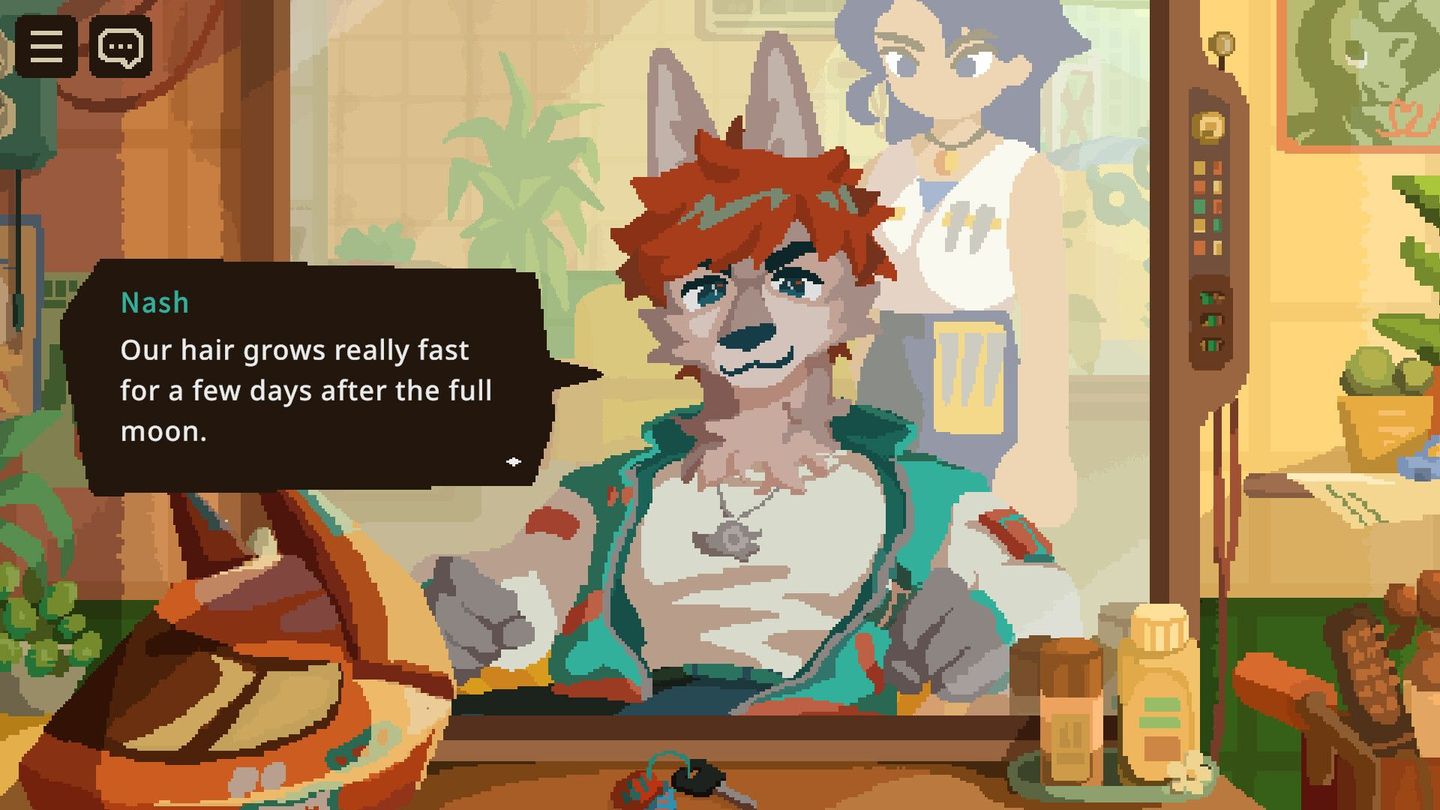
Cut, Listen, Repeat
Haircuts and conversations are the core loop. Each customer comes with species-specific worries and preferences. Your job is to listen, observe body language and fur or feathers, and translate that into a look that makes them leave feeling seen. Choices during a cut alter the customer's story and determine whether they will return.
Feedback is explicit. At the end of the day you review customer responses and scroll through the city social feed. Local news items, festival announcements, and updates from your clients all feed back into future appointments. Nail a hairstyle and a story keeps growing; get it wrong and that visit might be the last one you get from a particular patron.
Life Around the Barbershop
The world outside the chair matters. The city has events, a social timeline, and a rhythm that pulls patrons in different directions. As the story progresses a citywide celebration will bring many familiar faces back to your little shop, giving you second chances and new pressure all at once.
Beastfolk Barber frames competence in the chair as a kind of social craft. You are not just manipulating hair. You are helping customers see something new in the mirror and sometimes helping them see something new in themselves. The demon offer ties that intimate work to a personal narrative about guilt and choice, and that combination promises a narrative that mixes warm daily ritual with a darker, more reflective thread.
Beastfolk Barber looks like a game for players who enjoy character-driven slices of life with a speculative twist. If you like decisions that land softly but change people, this barber's chair might be the place to sit.