


War Fantasy folds The Stanley Parable into a firing range
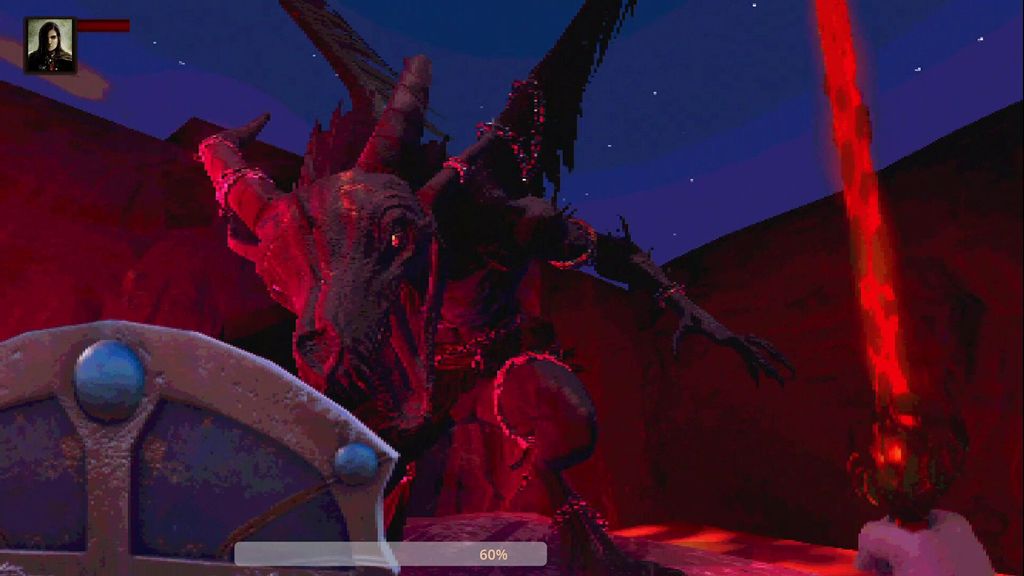
War Fantasy pitches itself as "The Stanley Parable with a loaded rifle" and it is not kidding. The game frames a psychological horror first-person shooter around an infinite military training compound where a demented commanding officer watches, instructs, and grooms you. This is not a power fantasy. It is an experiment in conditioning, consequence, and the collapse of simulation into something that feels disturbingly real.
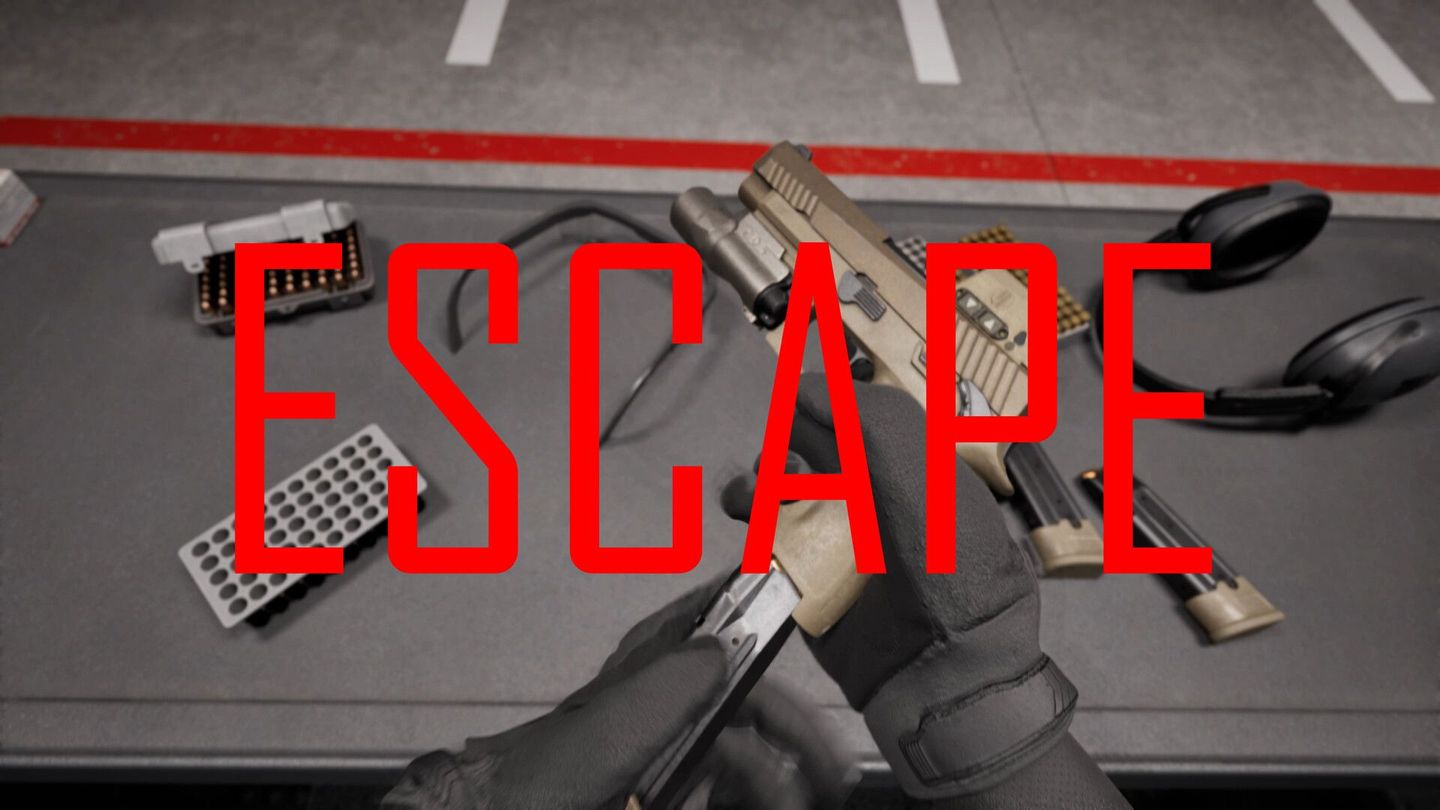
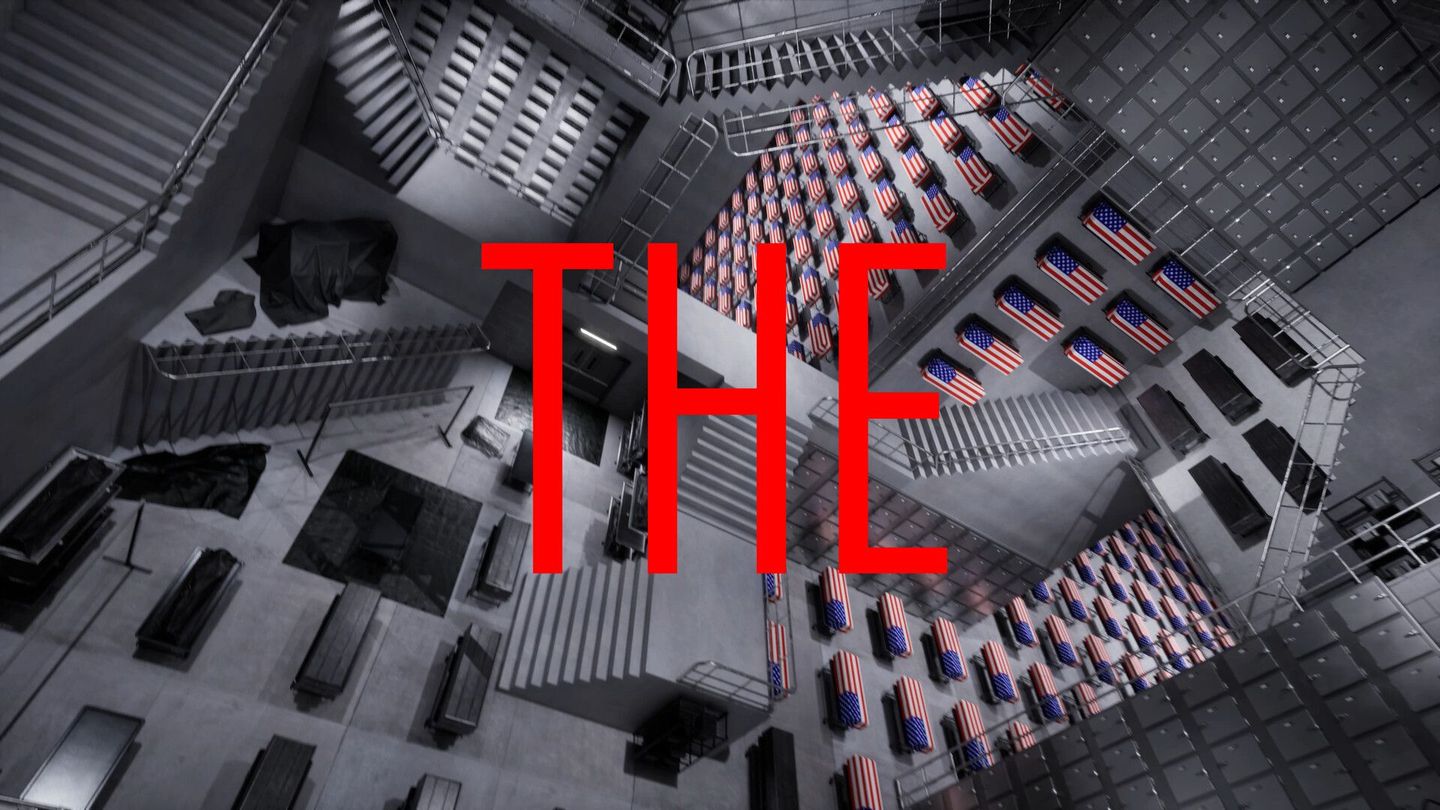
You move through impossible, looping spaces modeled on the architecture of the military industrial complex. Every hesitation and every obedient action is logged and fed into a system whose single purpose is spelled out plainly: turn you into an attack dog. Weapons are modeled with authentic detail, because the game leans into realism as part of the conditioning. And all the while the voice never stops talking.
A new vision of horror
If you trace a line from Full Metal Jacket to the modern FPS, War Fantasy plants itself squarely on that line and asks hard questions about what games have trained players to do. The developer blurs the boundary between war simulation and real war until it becomes impossible to tell where play ends and consequence begins.
The experience is deliberately uncomfortable. The game promises to record your behavior, analyze it, and weaponize that data in branching and looping narrative arcs. That design choice changes the typical feedback loop of a shooter. Here, kills and compliance are not simple metrics of success. They are inputs that alter what the game becomes and what the commanding voice expects from you next.
The in-game performance log sample included with the pitch reads like an exercise in compulsion and escalation:
SOLDIER 20412802 PERFORMANCE LOG - SESSION #████
COMPLIANCE RATE: 67.3% - SUBSTANDARD
READINESS STATUS: PENDING FINAL AUTHORIZATION
NEXT OBJECTIVE LOADING NEXT OBJECTIVE LOADING NEXT OBJECTIVE LOADING NEXT OBJECTIVE LOADING
NEXT OBJECTIVE LOADING NEXT OBJECTIVE LOADING NEXT OBJECTIVE LOADING NEXT OBJECTIVE LOADING
NEXT OBJECTIVE LOADING NEXT OBJECTIVE LOADING NEXT OBJECTIVE LOADING NEXT OBJECTIVE LOA KILL
The repetition is explicit and unnerving. The narrative device doubles as a mechanical threat - follow orders and the system adapts, hesitate and it reacts.
Gameplay - conditioning, loops, and authentic tools
War Fantasy frames its systems around three pillars described by the developers: behavioral logging, surreal spatial design, and authentic-feeling modern weaponry. Expect to navigate corridors that loop back on themselves, training simulations that close off, and sprawling war factories that rearrange as you move through them. The architecture itself is an antagonist.
Weapons, drones, and near-future tech are part of the toolkit. The game stresses realism in weapon handling not to glorify violence, but to make the conditioning convincing. That realism is a narrative tool. Handling an accurate-feeling rifle matters because the game needs you to believe in the simulation before it starts to fray.
Mechanically, the game leans into branching structures and loops where your recorded behavior influences subsequent scenarios. That means choices are less about player empowerment and more about the consequences of compliance and resistance. If you want to find the system's architecture and escape, you will likely have to play against the conditioning the game itself imposes.

Tone and intent
War Fantasy is pitched as an unflinching examination of gaming's relationship with violence and the machinery of warfare. It promises to pull no punches and to avoid the usual heroism of shooters. That is part of its appeal and its risk - the game deliberately places players in ethically fraught situations and then records how they respond.
If you are drawn to narrative experiments that critique the medium, War Fantasy looks designed to push you. It is not comfortable and it does not promise catharsis. Instead, it offers a looping, escalating mirror that asks what games are training us for, and whether a simulator can stop being a simulator once people are inside it.