

Warfare 1776 drags the old line into the new tug of war
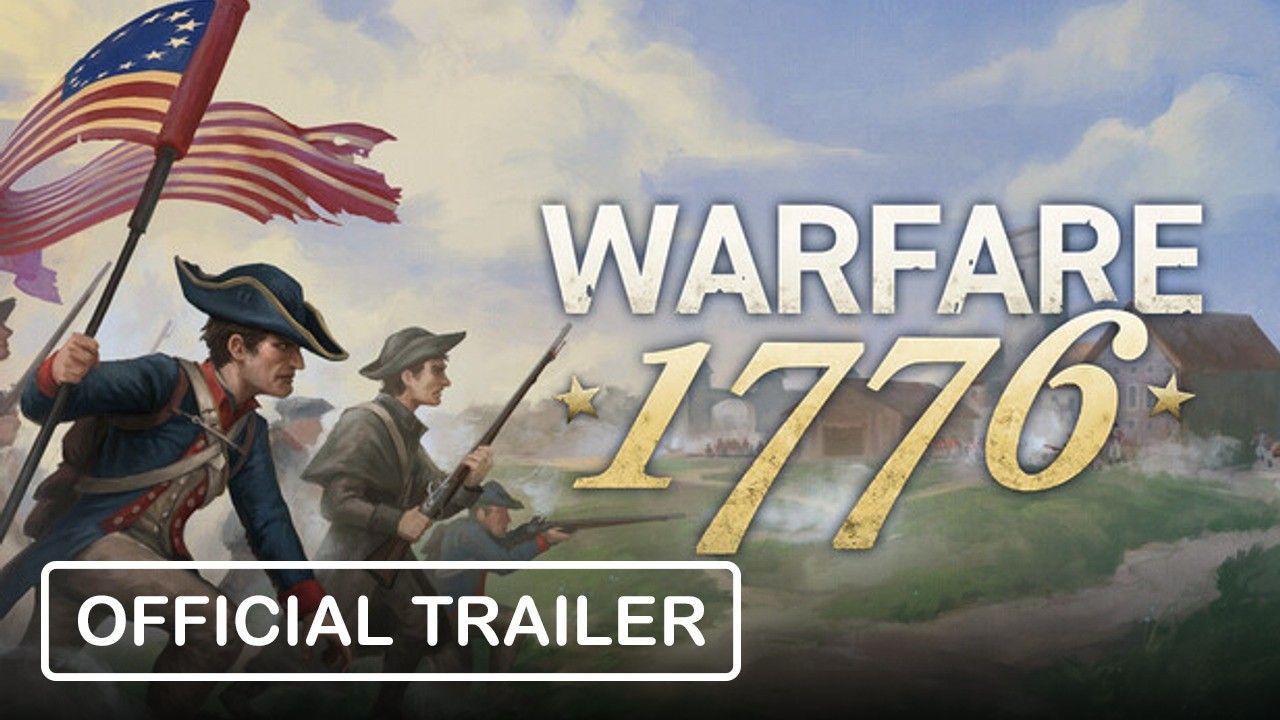
Warfare 1776 takes the push-and-pull combat the series is known for and drops it squarely into the American Revolution. You command Continental or Crown forces in tense real-time line battles where position, morale, and a single failed flank decide victory or rout. The promise is a battlefield that feels alive, where volleys and bayonets meet skirmishers, cannon, and the slower grind of a campaign map.
Tug of war made tactical
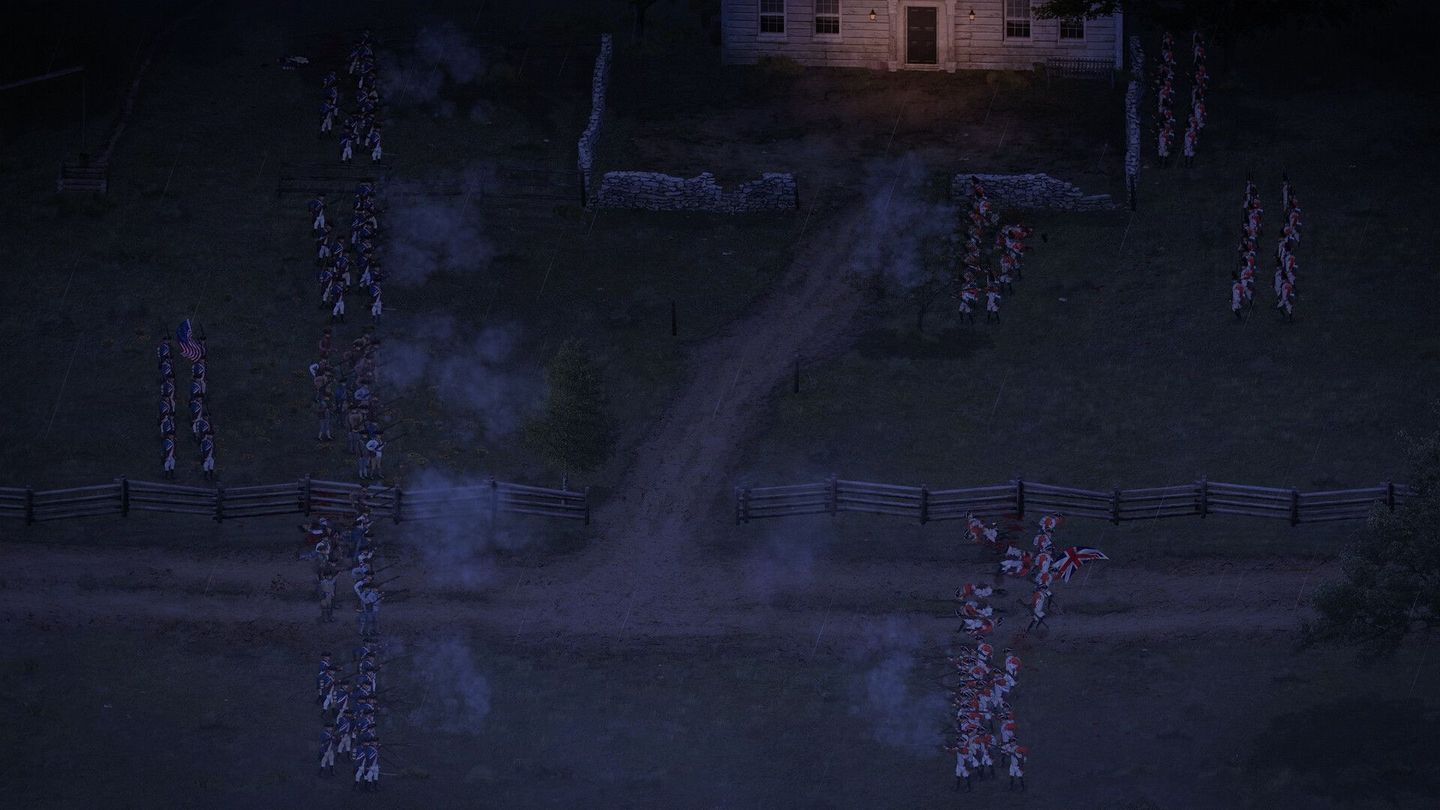
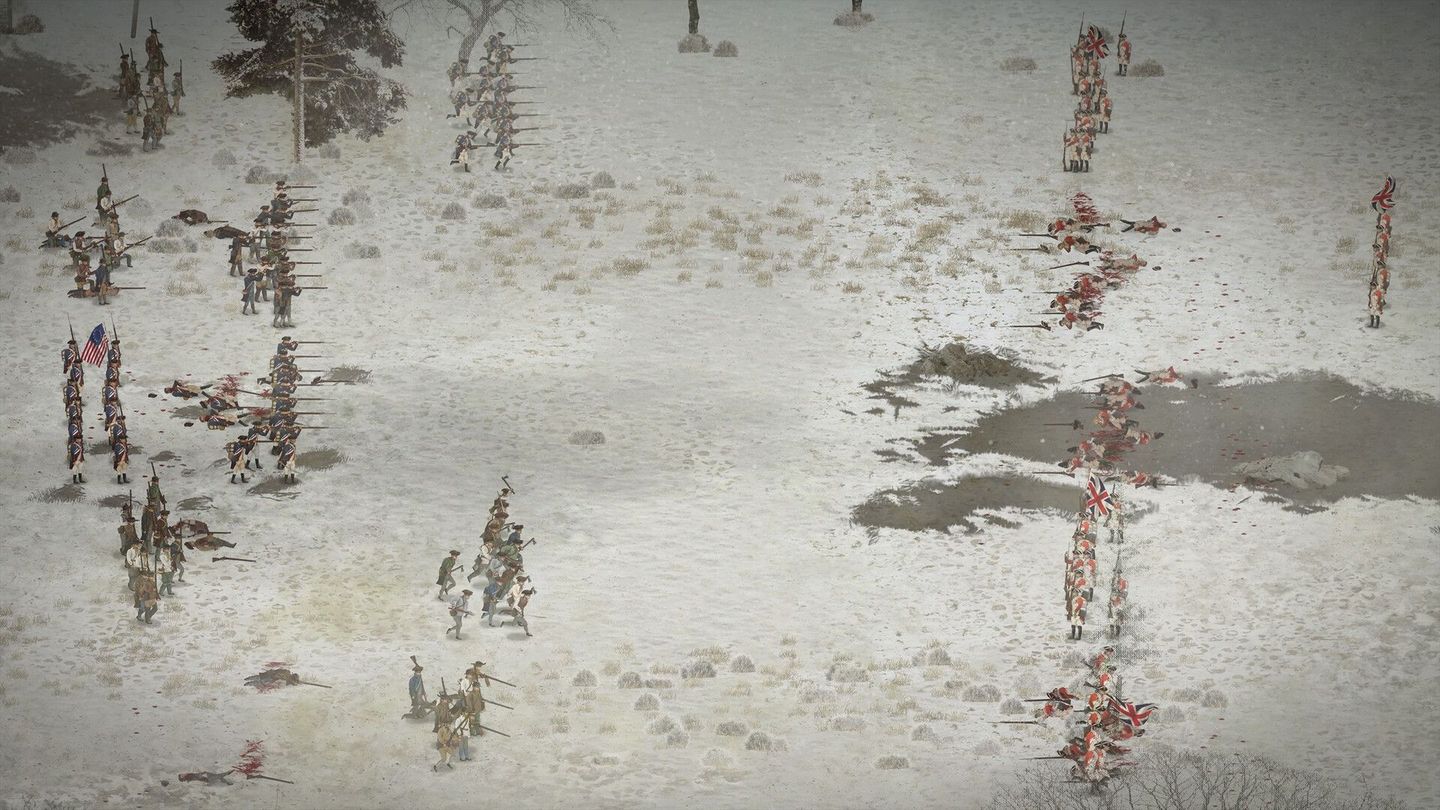
Combat in Warfare 1776 is all about holding the line until it snaps for the enemy. Line infantry trade disciplined volleys on open ground while skirmishers skulk in walls and woods. Let form and morale slip and ordered fire turns to panic as broken squads flee the field. That fragility is the game's heartbeat.
You will deploy classic Revolutionary War forces: line infantry, skirmishers, riflemen, minutemen, grenadiers, militia, field cannon, and heavy cavalry. Artillery support includes howitzers, mortars, and heavy cannons that change the calculus of an approach or a defended ridge. Influence serves as a secondary resource to trigger battlefield commands such as Rally and Mass Charge, letting you swing the momentum when it matters.
Orders, formations, and full command responsibility
Controls emphasize high-level directives. Order squads to march, charge, hold, or fall back as morale ebbs and flows. Positioning matters more than raw numbers. Use cover and the line bonus to keep morale steady. A disciplined line in step can withstand a flanking pressure that would break a looser formation. Choosing when to commit cavalry or to shell a choke point is as important as choosing the right unit mix.
Because the battles are real time, responses must be timely. The interplay of skirmishers drawing fire, infantry holding open ground, and artillery softening positions is central to how engagements unfold.
A living campaign that wears on your army
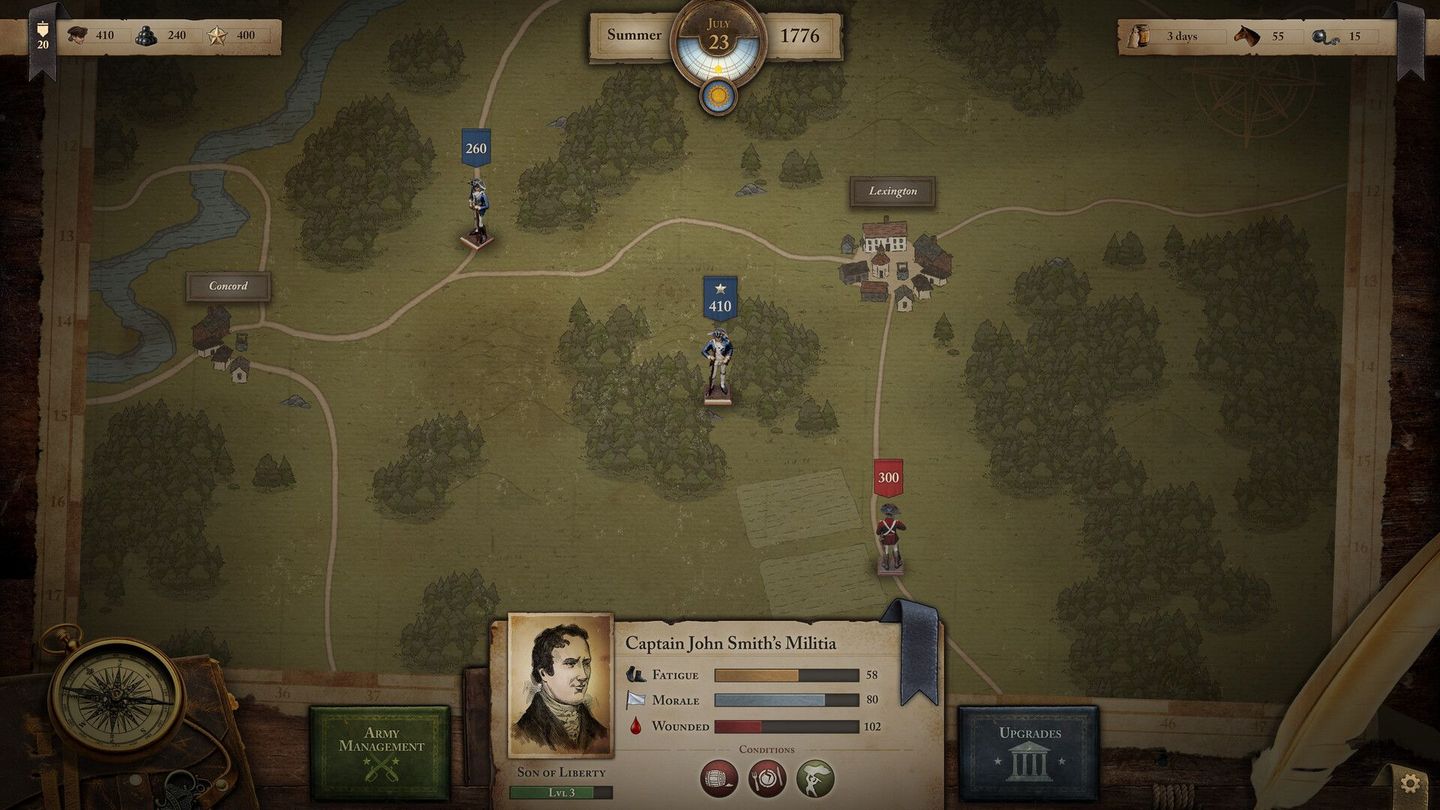
Outside of individual fights, Warfare 1776 runs a campaign across the northern colonies in real time. Fog of war keeps enemy positions hidden until you approach. As you march, supplies drain and fatigue accumulates. The campaign track is alive with seasonal change moving from summer heat to winter snow, which affects movement and conditions.
You manage Supplies and Fatigue, set marching paces for your men, and stop at towns to recruit Manpower, gather Horses, and stock Munitions. Points of interest hide opportunities and risks: abandoned munitions, wild horses, or a roadside tavern present choices that can help or hurt your force depending on how you handle them.
Start small, make history
Your campaign begins with a single officer you create and name. Background choices matter. Whether your officer is a physician, cavalryman, or orator changes starting resources and opens different event options and costs. Each region on the map leans toward Crown or Patriot and your actions can tip the balance. Objectives arrive as orders that drive both narrative and mechanical progression, unlocking units and upgrades as you climb the ranks.
You can take the side of the Continental Army to retake occupied cities or choose the British Empire to quell rebellion. The game frames regional control as a tug of war in itself where recruitment, logistics, and morale shape long term success.
Why this iteration could click with strategy fans
Warfare 1776 ties small scale line tactics to a broader campaign where logistics and fatigue shape decisions just as much as battlefield cunning. Its focus on formation integrity, combined arms, and influence-driven special commands promises tense moments where the outcome can flip in an instant. For players who like the grind of a living campaign as much as the snap of a bayonet volley, it looks designed to deliver both.
The game keeps its mechanics grounded in the era while offering layered systems that reward positional play, smart use of artillery, and attention to supply lines. If you enjoy strategy that punishes sloppy formations and rewards careful planning, Warfare 1776 deserves a closer look.