

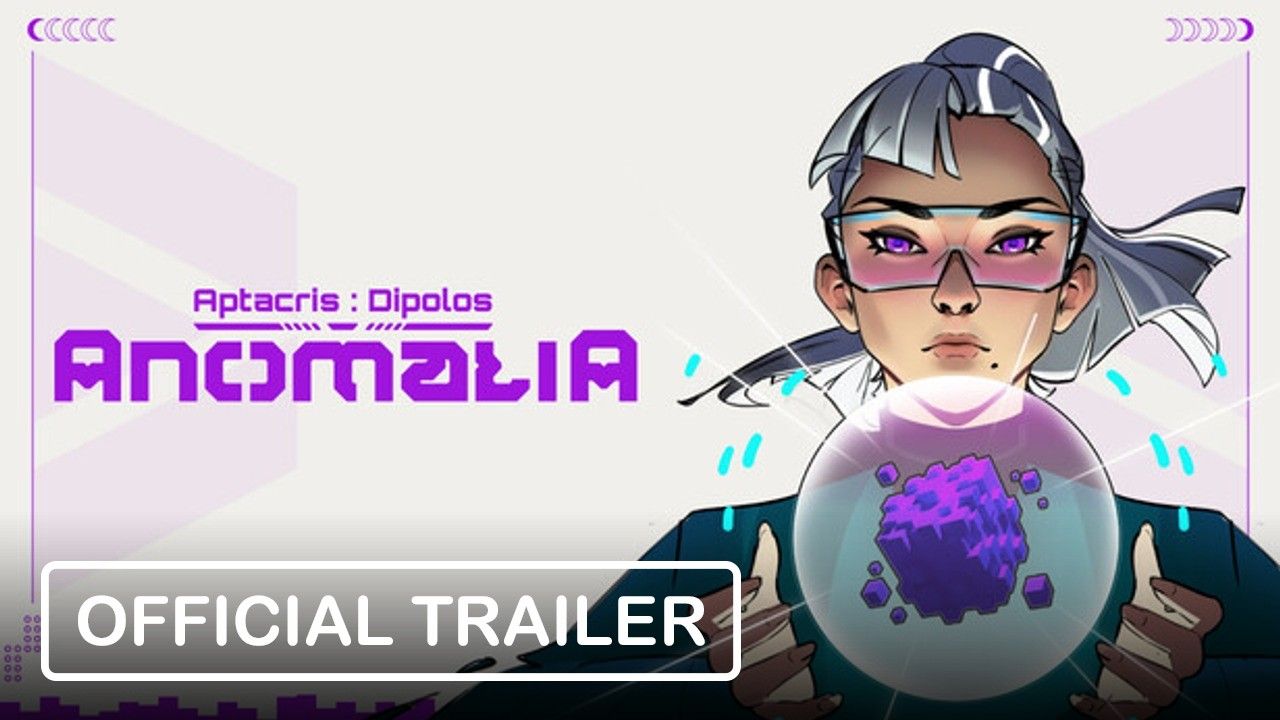
Aptacris : Dipolos Anomalia - Memories That Shift Under Your Feet
Aptacris : Dipolos Anomalia is a puzzle adventure built around a single elegant conceit - reality depends on how you look at it. You play as Ai'Lynn, a memory-diver in a solarpunk dystopia powered by a living energy called A.P.T.A. Every memory you enter becomes a self-contained puzzle world where objects, bridges, hazards, and pathways exist differently depending on which perception mode you have active.
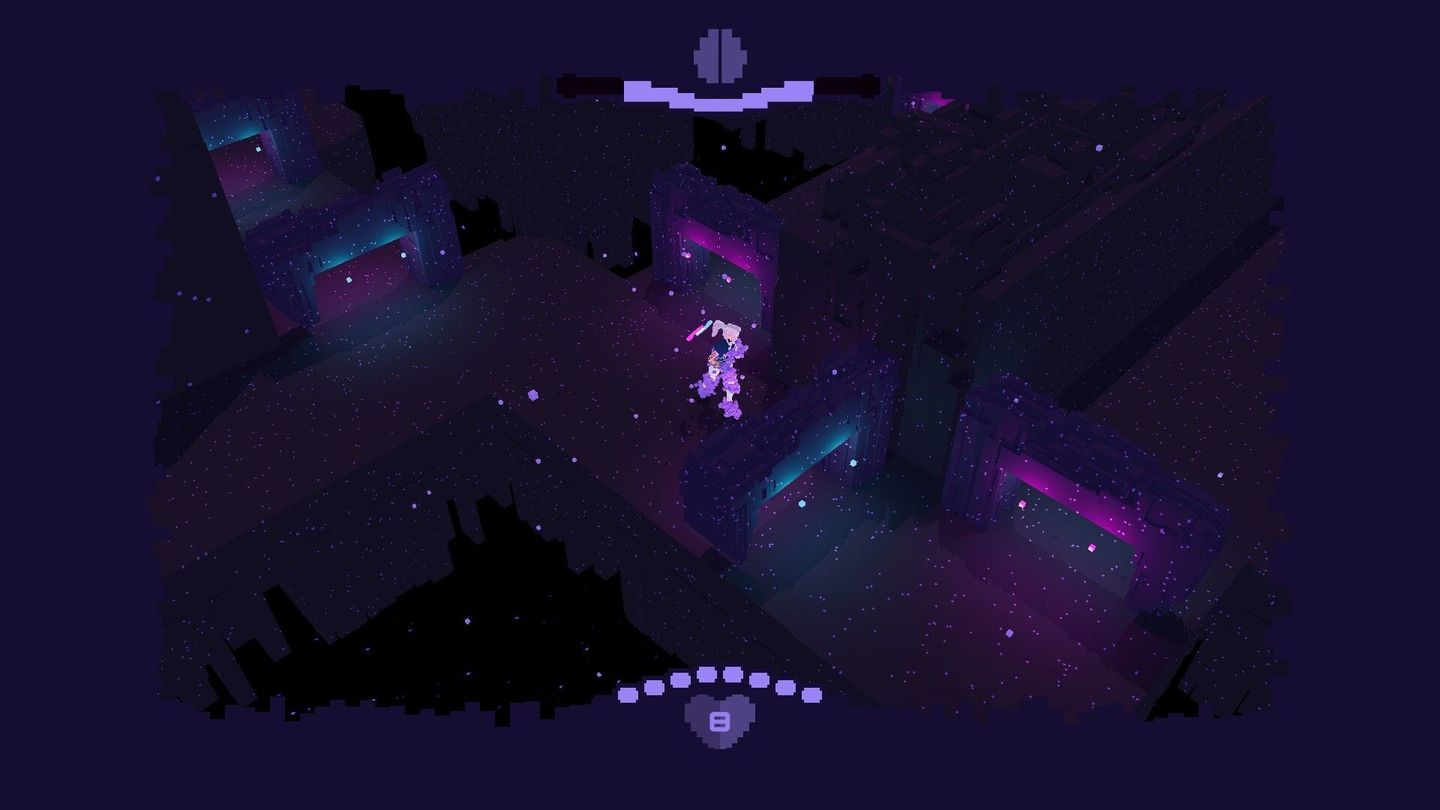
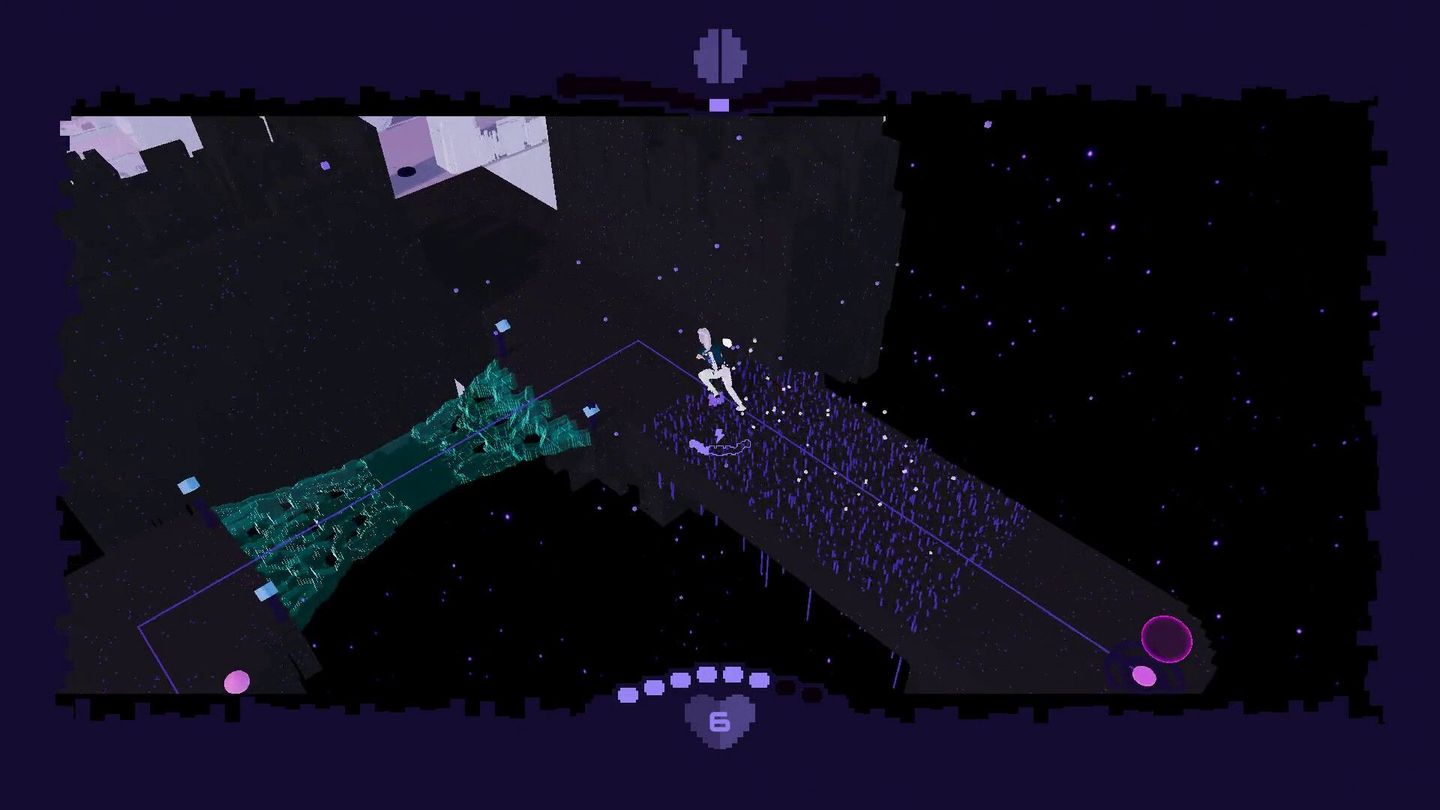
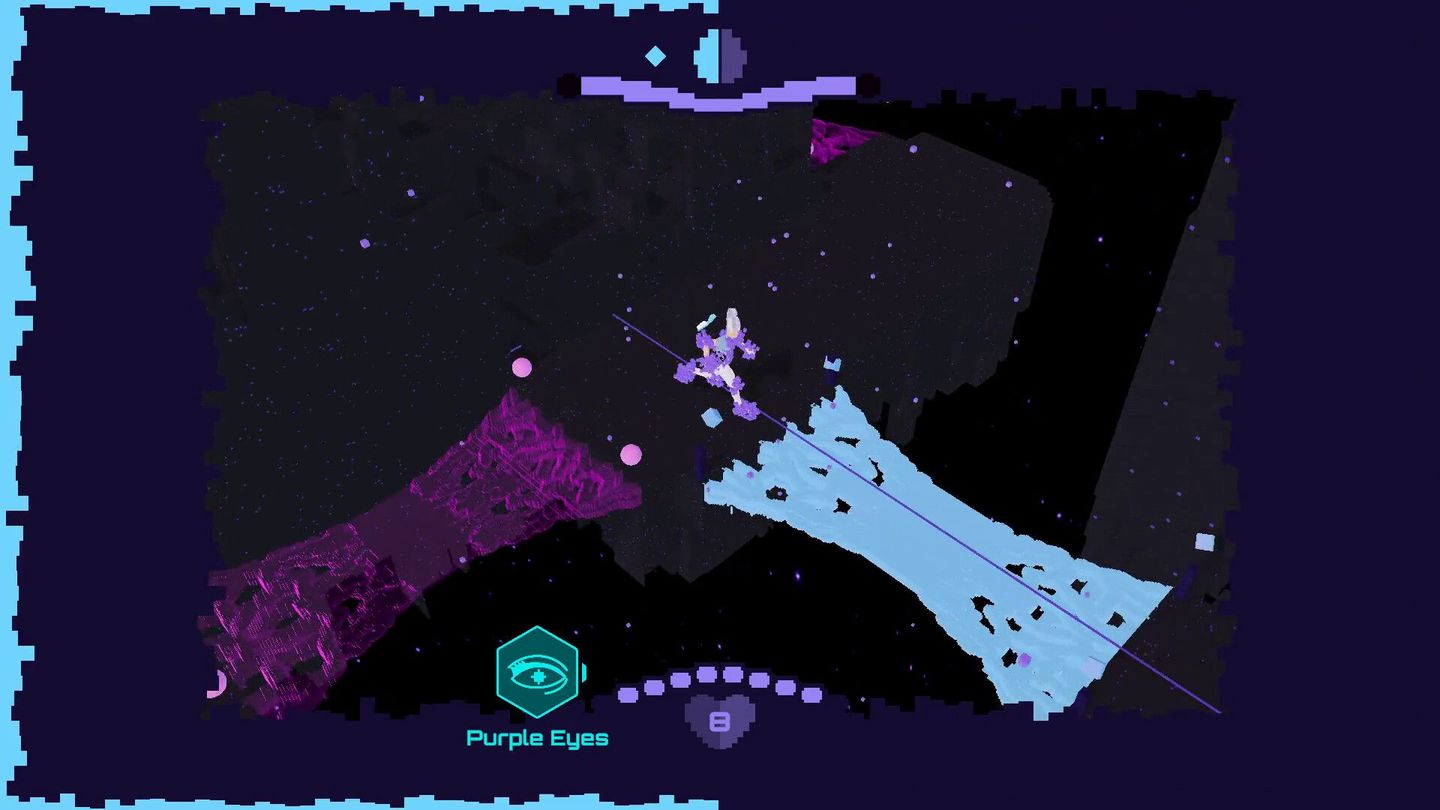
The result is a game that feels like folding the map mid-walk. Flip perception to reveal hidden routes, activate structures that only exist in the alternate state, and slip past barriers that collapse into nothing when viewed the other way. It is simple to describe and rich in outcome - each switch can alter both your immediate path and the logic of an entire puzzle.
Two Perceptions, Endless Puzzle Logic
Mechanically the game centers on switching between two perception modes. The modes don't just change visuals - they change the very ontology of the environment. Expect puzzles built around:
- Revealing hidden paths and bridges that only appear in one state
- Activating structures in one mode to affect another
- Bypassing hazards by changing what counts as solid or dangerous
- Avoiding anomalies that can kill you if you misread a scene
That design encourages lateral thinking instead of reflexes. A fallen walkway in one state might be a living vine bridge in the other. A device you can trigger in mode A could unlock a route that only exists in mode B. Puzzles evolve as you do, and clever sequence-solving matters more than twitchy inputs.
Memory Worlds, a Hub, and a Fractured Mission
Each memory is not just a puzzle map but a narrative snapshot shaped by someone else's emotions and distorted recollections. You travel through memories formed by different characters, and each one offers unique environments tied to moments, feelings, and events from their past.
Between dives you return to a central Hub. This is where story beats happen, relationships shift, and new memory paths become available. Ai'Lynn is not exploring memories for curiosity alone. Her objective is radical: she intends to clone herself in order to eradicate the A.P.T.A. that lives within humanity. Her ability to enter and rewrite memories is both her weapon and her burden.
Ai'Lynn once used this power to reclaim energy she had left inside her sister, and part of her own mind was fractured as a result. With the help of an ally named Lepheus, she dives through others' minds and her own fragmented past looking for the missing piece that will let her finish the plan. As she proceeds, memories reveal truths that complicate her goals - and question whether eradicating A.P.T.A. is salvation or erasure.
Solarpunk Atmosphere, Moral Tension
The world of Aptacris blends nature and technology into a single living ecosystem powered by A.P.T.A. Each character carries their own A.P.T.A. signature, a detail that underlines the game's central conflict. Visually and thematically the setting leans solarpunk - there is hope and organic tech - yet the story frames that beauty as contested ground.
That tension - between healing and control, reclamation and destruction - is the game's strongest narrative pull. Puzzle design feeds the themes by forcing you to step into someone else's memories and, literally, to see things their way. The mechanics constantly remind you that perception is not neutral, and choices about what to rewrite have consequences beyond the immediate solve.
Who Should Keep an Eye on It
If you enjoy puzzle games that reward conceptual leaps, puzzle-worlds with strong visual identity, and stories that question their own methods, Aptacris : Dipolos Anomalia looks like one to watch. Its mix of memory-driven narrative and perception-flipping puzzles promises moments of genuine cognitive pleasure - and a story that pushes you to think about the cost of rewriting what makes people human.